
What is the FLU telling our body?
What if, rather than immediately asking how to make the symptoms disappear, we asked what the body might be trying to tell us?
The fever, fatigue, inflammation, congestion, aches and loss of appetite we experience with the flu are largely part of the body's immune response as it works to deal with it. In other words, your body is not simply sitting back while you are sick; it's actively responding, mobilizing its defences and redirecting energy towards recovery.

This doesn't mean that the flue itself is "a good thing" or that we should seek out illness but it does need care. It means that there is actual value in recognizing that the symptoms of illness are often signals from the body rather than simply problems that need to be suppressed.
Perhaps your body is telling you that it needs you to slow down.
Perhaps it needs more sleep, more nourishment, more hydration and less of the constant stimulation and stress that have become so normal in modern life.
And perhaps getting sick is sometimes the body's way of forcing us to do what we should have been doing all along – stop, rest and give our immune system the resources it needs to do its job.
When your body says stop, listen
One of the most striking things about the flu is how completely it can change your priorities. The things that seemed urgent yesterday suddenly don't matter nearly as much when you are lying in bed with a fever and aching muscles.
There is a reason your body makes you tired; there is a reason you want to sleep; there is a reason your appetite may change and your energy disappears. And that headache? It's pounding because otherwise you would continue moving, you'd keep "doing", all while your body is forcibly asking you to conserve resources.
Instead of fighting that feeling and trying to carry on as though nothing has happened, illness can be an opportunity to give the body exactly what it is asking for. Research has found associations between adequate sleep and the body's ability to respond to infection, this is why one of the simplest things you can do when you have the flu – or better yet, when you feel lke you're getting sick – is also one of the most important: rest without guilt.
Put the work aside where possible, cancel what can be cancelled, step away from your usual responsibilities and allow yourself to recover. Your body is already doing a tremendous amount of work behind the scenes, and it does not need you adding unnecessary demands to the equation.
Supporting the body naturally
There is no natural remedy that can guarantee a cure for the flu, however, there are many practices that can help support hydration, nourishment, comfort and recovery while the immune system does its work.
Some approaches worth considering include:
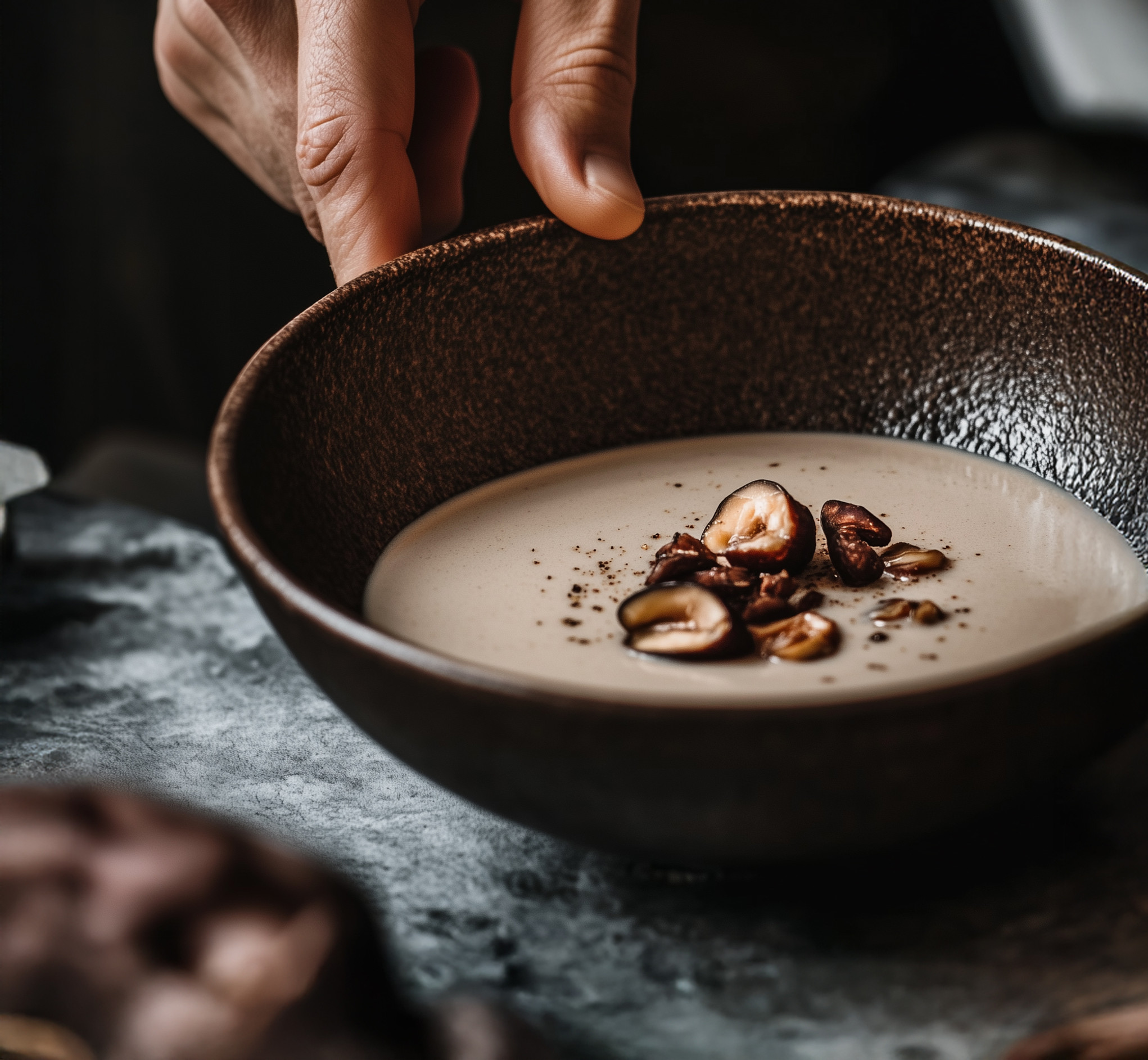
Soups and broths – A warm vegetable soup, mineral-rich broth or slow-cooked soup provides fluids, electrolytes and nourishment while being relatively easy to digest. Adding garlic, onions, leafy greens, herbs and a variety of colourful vegetables can make a simple soup remarkably nutrient-dense.
Plenty of fluids – Yes, it may sound boring, but water, herbal teas, broths and other nourishing fluids can help support hydration, particularly when fever and sweating increase fluid loss.
Adequate rest and sleep – Rather than trying to push through the day, give yourself permission to sleep and rest as much as your body requires.
Warm or alternating foot baths – Traditional hydrotherapy practices such as warm foot baths, or alternating warm and cool water, can provide comfort and help you feel more settled when you are unwell. These should be gentle and avoided if you are dizzy, weak, dehydrated or otherwise unable to tolerate temperature changes safely. One minute in a cold foot bath, one minute in a warm foot bath. It's also helpful to add 1/4 cup of each of the "powerful three" in the warm foot soak: baking soda, himalayan salt, and borax (a natural form of boron).
Wet sock therapy – This is a traditional naturopathic practice that some people use during respiratory illnesses. It can be incorporated as a comfort measure, provided you are warm enough overall and it does not cause discomfort. Wet sock therapy involves covering your feet at night, before bedtime, with a very cold pair of wet, cotton socks (wringed out as much as possible), followed by a warm fuzzy pair of socks. This draws the congestion away from the chest as your body works to warm itself up.
Vitamin C-rich foods – Citrus, berries, kiwi, peppers, broccoli and leafy greens are excellent sources of vitamin C and can be incorporated regularly into the diet. Some practitioners also use higher-dose vitamin C supplementation during illness, many which you will find behind the counter at the local health food store.
Vitamin C IV therapy – Intravenous vitamin C is sometimes used in integrative and naturopathic settings, although it should be administered by an appropriately qualified professional (if they can offer it, they will suggest it on their website).

Traditional herbal preparations – Herbs such as mullein, echinacea and nettle are among the botanicals that some practitioners and clients incorporate into their wellness practices. Other herbs may also be appropriate depending on the individual, medications and circumstances, which is why individualized guidance is important.
Nourishing, minimal foods – When your appetite returns, focus on foods that provide minerals, vitamins, protein and healthy fats rather than highly processed foods that place additional demands on the body. If you're not hungry at all, don't worry about that too much right now: it's most important to hydrate than to fill your stomach: there is a lot of power in "temporary fasting" to regenerate new cells.
The goal is not to overwhelm the body with a long list of supplements and remedies. Sometimes the most supportive thing you can do is simplify everything and give your body the basics it needs: rest, fluids, nourishment, warmth and time.
Prevention starts long before flu season.
If there is one message we would like you to take away from this article, it is this:
Do not wait until flu season to start taking care of your immune system.
Your immune system does not suddenly appear when the first flu cases begin circulating. It is working every day, and the foundation you give your body throughout the year can influence how well equipped you are to respond when you encounter an infection.
This is where prevention becomes much more interesting than simply trying to avoid being unwell. Rather than living in fear of becoming sick, focus on creating an internal environment that is well nourished, well rested and resilient.
There are no guarantees that a healthy lifestyle will prevent you from ever catching the flu, but these are some of the foundations worth prioritizing:
Make sleep a priority
Consistently getting enough quality sleep is one of the most overlooked aspects of immune health. If you are routinely staying up late, waking exhausted and relying on caffeine to get through the day, your body may already be telling you that something needs to change.
Aim for a regular sleep schedule, create a calming evening routine and treat sleep as an essential part of your health rather than something that gets whatever time is left over at the end of the day.
Quit sugar and processed foods
A diet dominated by refined sugar and highly processed foods does not provide the nutritional foundation your body needs for optimal health. Rather than waiting until you become sick to change your diet, make nutrient-dense whole foods your everyday foundation.
Focus on:
Plenty of leafy green and cruciferous vegetables
Colourful vegetables and low-sugar fruits
Quality sources of protein
Healthy fats such as olive oil, avocado, nuts and seeds
Mineral-rich foods and adequate hydration
Minimally processed foods prepared at home rather than store-bought.
Reducing refined sugar is particularly important if it has become a regular part of your diet. This does not mean fearing every carbohydrate, but rather becoming more intentional about where your carbohydrates come from and whether they are accompanied by meaningful nutritional value.
Consider how dairy affects you
Dairy can increase mucus or congestion when you are already dealing with respiratory symptoms. If you consistently notice that dairy makes you feel more congested, it may be worth paying attention to that individual response.
The dairy we consume today is not what it used to be. Pasteurization and manufacturing processes have altered the quality of our products. Whenever possible, consume grass-fed-derived dairy, and make goat dairy your new ally.
Learning how your own body responds to different foods is an important part of becoming more self-aware about your health.
Move your body
Regular movement supports circulation, cardiovascular health, metabolic health and overall physical resilience. You do not need to spend hours in a gym to benefit. Walking, hiking, stretching, strength training, cycling or simply making a conscious effort to move throughout the day can all contribute to a healthier lifestyle.
When you are actually sick, however, this is where listening to your body matters. Rest during acute illness and return to exercise gradually as your energy and strength come back.
Spend more time outdoors
There is something deeply restorative about being outside, particularly when outdoor time becomes part of your regular routine rather than an occasional activity.
Get outside in the daylight, breathe fresh air, walk through a forest, hike a trail or simply sit in the sunshine as much as possible. Time in nature can give you a reason to move, breathe more deeply, step away from technology and reconnect with a slower rhythm.
You don't have to wait until you feel sick to make this a priority.
Quit alcohol
Alcohol can interfere with sleep and negatively affects immune function. If your goal is to build resilience, consider how often alcohol is part of your routine and whether it is helping or hindering the health you are trying to create.
Alcohol has also been added to the list of Class 1 Carcinogens (cancer-causing substance), and no amount of alcohol is safe. Read more [HERE].
Support your body's natural elimination processes
Your body has its own sophisticated systems for processing and eliminating waste, involving the liver, kidneys, digestive tract, lungs and skin. Supporting these systems is much more useful than constantly looking for the next dramatic "detox."
Regular bowel movements, adequate hydration, nutrient-dense food, movement, quality sleep and reducing unnecessary exposure to substances that place additional demands on the body are all part of supporting healthy elimination.
Shivambhu is another practice that clients may wish to explore. It is a traditional practice with a long history in certain systems of natural health. If this is something that interests you, we suggest booking a consultation with Corrie Bignell, The Unregistered Nurse, who can guide you through this ancient practice that dates back centuries.

What if getting sick is a message?
Perhaps one of the greatest shifts we can make in our relationship with illness is moving away from seeing the body as something that is constantly working against us.
Fatigue may be telling you that you need more rest. Digestive changes may be telling you that something in your diet or lifestyle needs attention. Persistent stress may be telling you that your current pace is not sustainable. And when you become acutely ill, the body may be giving you an unmistakable instruction to stop and recover.
The flu does not necessarily mean that you have done something wrong, and being healthy does not mean you will never get sick. We are exposed to pathogens throughout our lives, and sometimes we will become ill regardless of how well we take care of ourselves.
Your body is the only one you will ever have. Look after it well, so that when your immune system is called upon, you have already given it the strongest foundation possible.
Book a consultation with our team at Ezra Healing if you require additional guidance.


Comments