
Insulin resistance = metabolic problem
What if your blood sugar looks perfectly normal, yet your body is already struggling to regulate insulin?
Insulin resistance is one of the most common underlying metabolic disturbances affecting both men and women, and it can develop long before conventional blood tests reveal a problem — and especially if vaccinations have been administered through a lifetime. Understanding how insulin works, what happens when cells stop responding efficiently to it, and how we can support metabolic health is an important step towards taking greater control of our wellbeing.
What is insulin resistance?
Insulin is a hormone produced by the pancreas that helps move glucose from the bloodstream into cells, where it can be used for energy or stored for later use.
When cells become less responsive to insulin, the pancreas compensates by releasing more of it. This means someone can have normal blood glucose levels while circulating insulin levels are already elevated. Over time, this compensation may become insufficient, leading to impaired glucose regulation and an increased risk of developing type 2 diabetes.
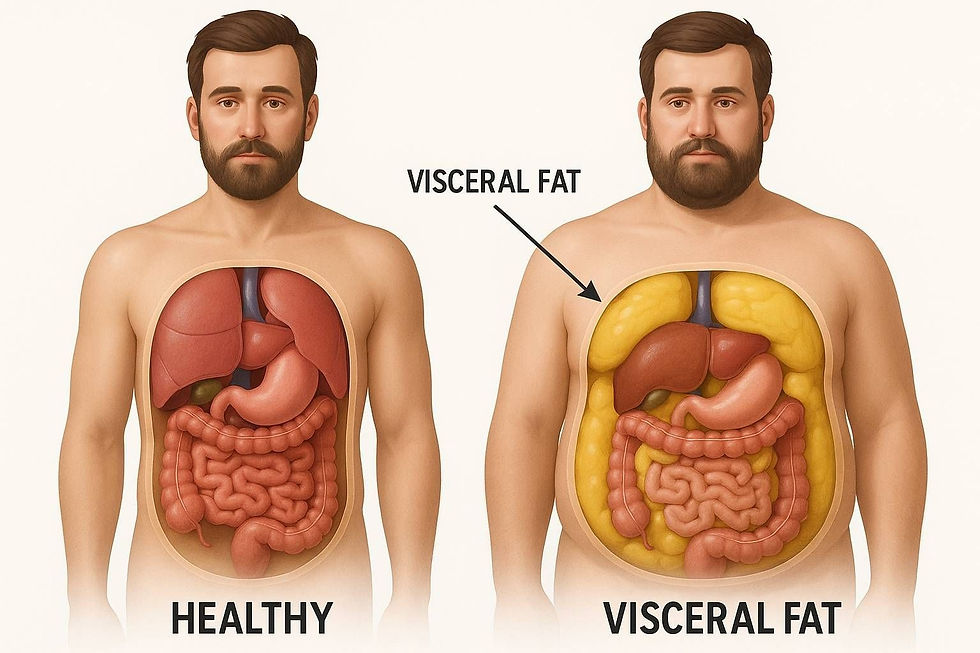
Insulin resistance is also associated with visceral fat accumulation (fat in the belly area), fatty liver disease, cardiovascular risk and chronic metabolic dysfunction.
How does it affect men and women differently?
Although the underlying process is similar, hormonal differences can influence how insulin resistance develops and manifests.
In women, insulin resistance is closely associated with polycystic ovary syndrome (PCOS), and can contribute to hormonal disturbances and difficulties with ovulation. Menopause can also bring changes in body composition and insulin sensitivity as estrogen levels decline.
In men, insulin resistance is frequently associated with abdominal fat accumulation and can contribute to metabolic disturbances that influence testosterone production and hormonal health.
Importantly, insulin resistance can affect people who are not overweight, which is why looking beyond body weight alone is essential.
The peptide connection
One of the more interesting developments in metabolic medicine is the growing understanding of peptides and their role in regulating insulin and glucose metabolism.
GLP-1 (glucagon-like peptide-1) is a naturally occurring hormone produced in the intestine after eating. It helps regulate blood glucose by stimulating insulin secretion when glucose levels are elevated, suppressing glucagon release, slowing gastric emptying and influencing appetite signalling. The GLP-1 peptide is groundbreaking in this respect.
Natural ways to support insulin sensitivity
Lifestyle remains a fundamental part of metabolic health. There are several ways to help the body respond more effectively to insulin:
Prioritize whole foods: Build meals around vegetables, fibre-rich foods, clean quality proteins (especially grass-fed / grass-finished beef) and healthy fats (coconut oil, avocado & olive oil, nuts & seeds) while completely omitting highly processed foods and refined carbohydrates.
Move your body regularly: Walking, particularly after meals, can help muscles take up glucose. Resistance training is especially valuable because muscle tissue plays an important role in glucose disposal.
Prioritize sleep: Inadequate sleep can impair insulin sensitivity and disrupt the hormones involved in appetite and metabolic regulation.
Manage chronic stress: Prolonged stress and elevated cortisol can interfere with glucose regulation. Daily movement, time outdoors, relaxation and restorative practices can help.
Support gut health: A diverse diet supports the gut microbiome, which is increasingly recognized as an important contributor to metabolic health.
Your metabolic health deserves attention before problems arise
Insulin resistance does not develop overnight, and supporting metabolic health should not begin only after a diagnosis of diabetes or another metabolic condition. Prevention always comes first!
Understanding how your body responds to food, movement, sleep and stress can help you make informed decisions that support long-term health. And we welcome the conversation around peptides as an excellent option to expanding the conversation about how we can manage metabolic dysfunction.
At Ezra Healing, we believe knowledge is an important part of health autonomy. Understanding what is happening inside your body is the first step towards making informed choices about how you care for it.


Comments